

You notice a pale spot on your dog’s nose, or your cat’s lips look lighter than they did a month ago, and your mind goes straight to the worst case. That reaction makes sense. Skin color changes can look dramatic, especially when they show up on the face, around the eyes, or on the paw pads. In some pets, those changes are harmless pigment loss. In others, they are the first sign of a larger skin or immune problem that needs medical care, so seeing an affordable vet in Pembroke Pines can help you figure out what is going on.
What vitiligo means for a dog or cat with changing skin pigmentation is usually this: the body has lost melanin in certain areas, which creates white or pale patches, but the reason behind that loss still needs to be sorted out. True vitiligo can be cosmetic and painless. The harder part is that it can resemble other conditions, including inflammatory skin disease, nasal disorders, or autoimmune syndromes that affect the eyes and skin together.
Changing skin pigmentation in pets is not always simple pigment loss
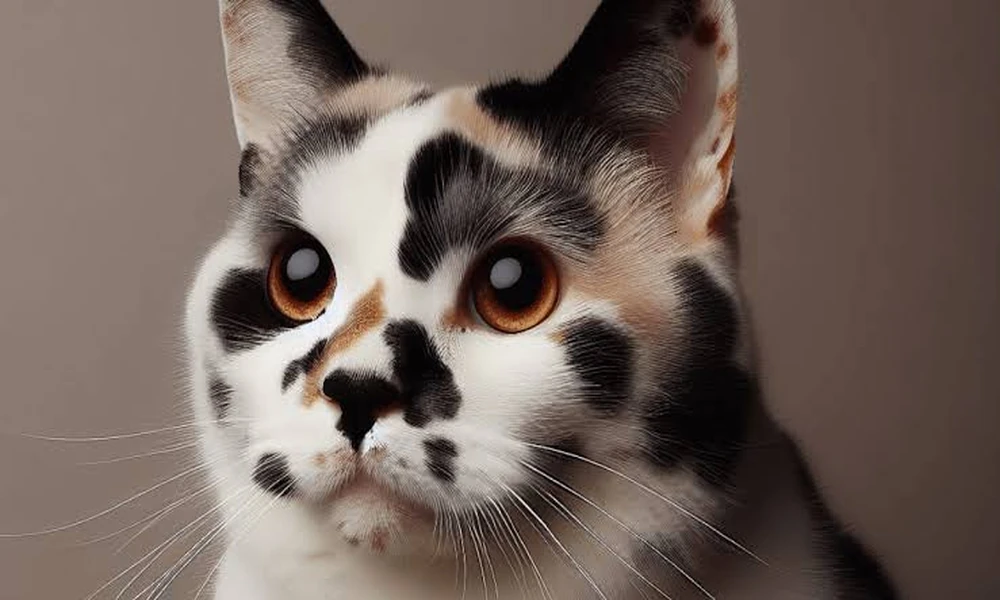
Vitiligo in pets causes depigmentation, which means normal color fades from the skin, hair, or both. You may see this on the nose, eyelids, lips, footpads, or coat. Some dogs develop white hairs in a patchy pattern. Some cats show pale areas on the face. The skin often stays smooth and does not seem itchy or painful, which can make it easy to assume nothing serious is going on.
That is where owners get stuck. A pet can seem perfectly fine otherwise, yet the visual change keeps spreading. If the nose turns from black to pink, or dark fur starts growing in white, it is hard not to worry that you missed something early.
The concern is valid because skin depigmentation in dogs and cats has a long list of possible causes. Vitiligo is one. Discoid lupus, contact irritation, post inflammatory pigment loss, infections, and some autoimmune diseases can also change color. In dogs, one condition that matters a great deal is uveodermatologic syndrome, which affects pigment cells in the skin and eyes. The University of Minnesota outlines how canine uveodermatologic syndrome can cause depigmentation along with serious eye inflammation.
Vitiligo in dogs and cats is often cosmetic, but diagnosis still matters
True vitiligo is usually considered a cosmetic disorder. The pigment producing cells are damaged or lost, and the result is lighter skin or hair. Some breeds appear more prone to it, and it may have an immune basis. A pet with uncomplicated vitiligo may feel normal, act normal, and never need aggressive treatment.
The problem is that you cannot identify true vitiligo by appearance alone with confidence. If your pet also has crusting, sores, squinting, tearing, light sensitivity, or changes in vision, the issue may be more than cosmetic. If there is irritation around the nose or mouth, or if the depigmentation came after redness and inflammation, your veterinarian may look beyond vitiligo.
That difference affects cost, treatment, and urgency. A harmless pigment change may only need monitoring. An immune mediated condition may require skin testing, eye exams, medication, and follow up visits. Cornell’s dermatopathology guidance shows how skin samples can help sort out diseases that look similar on the surface.
What your veterinarian looks for when a pet’s pigmentation changes
Your veterinarian starts with pattern, timing, and symptoms. Did the color change happen slowly or all at once. Is the skin smooth or inflamed. Are the eyes normal. Is there hair loss, scaling, crusting, or discomfort. Those details matter more than most owners realize.
A workup may include a physical exam, skin cytology, fungal testing, an eye exam, and sometimes a biopsy. In some cases, that sounds like a lot for “just a color change,” but it can prevent a much bigger problem. If a dog has early eye inflammation tied to an autoimmune disease, waiting too long can risk vision.
Veterinary dermatology references from the University of Florida also review depigmenting disorders and differentials in small animals, which is why a careful small animal dermatology evaluation matters when pigment loss is new or spreading.
Monitoring at home versus getting an animal clinic exam
| Situation | Home Monitoring | Animal Clinic Evaluation |
|---|---|---|
| Small pale patch with no redness or discomfort | Take weekly photos and note any spread | Schedule a routine exam to confirm whether it fits vitiligo |
| Depigmentation on nose, lips, eyelids, or paw pads | Watch for texture changes, crusts, or sores | Recommended because these areas overlap with autoimmune and nasal disorders |
| Eye redness, squinting, cloudiness, or vision changes | Do not wait at home | Urgent exam due to risk of eye disease linked to pigment disorders |
| Hair turning white without skin irritation | Document pattern and timing | Helpful to rule out other causes of pet skin discoloration |
| Crusting, scaling, bleeding, or pain | Do not treat with over the counter creams | Prompt exam and possible diagnostics are needed |
Three steps you can take right now
1. Photograph the changes clearly. Take close, well lit photos from the same angle every week. Include the nose, lips, eyelids, paw pads, or coat changes. This gives your veterinarian a timeline instead of a guess.
2. Watch the eyes as closely as the skin. Pigment disorders that involve the eyes are more urgent than simple cosmetic vitiligo. Squinting, redness, discharge, cloudiness, or light sensitivity should move your pet up the schedule fast.
3. Book an exam before trying home treatment. Human creams, supplements, or internet remedies can irritate the skin and blur the real diagnosis. A proper exam at an Animal Clinic can tell you whether this is likely benign pigment loss or something that needs treatment.
Clear answers help more than guessing
When your dog or cat’s appearance changes, it can feel personal. You know their face so well that even a small pale patch stands out. Some cases of vitiligo are only cosmetic and do not hurt your pet. Some cases only look like vitiligo at first. That is why getting a real diagnosis matters.
If your pet has changing skin pigmentation, do not sit with the uncertainty longer than you need to. Schedule an evaluation at an Animal Clinic and get clear guidance on what the color change means, what to watch next, and whether treatment is needed.
