

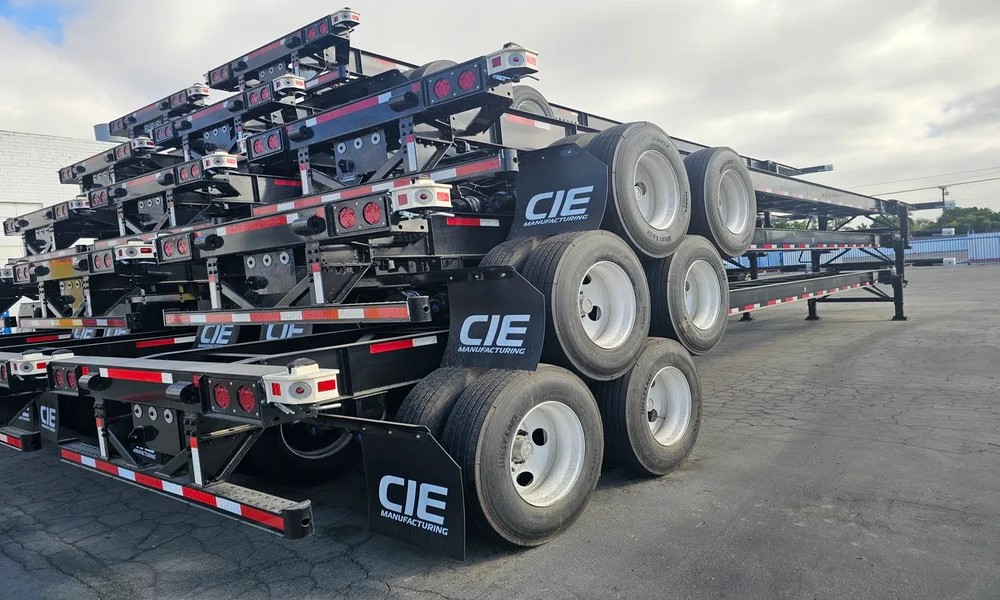
Efficient cargo transportation is an important part of commercial shipping and logistics. The container chassis, which is essential for moving goods and items in containers, is at the heart of this complex process. They enable the smooth movement of goods in ports, warehouses, and distribution centers.
With heavy usage and exposure to different weather conditions over time, container chassis can experience wear and tear or suffer damage that negatively impacts safety and functionality. To ensure optimal functionality of a shipping container trailer, it is important to inspect and repair elements that support shipping containers. This work must be done effectively to avoid operational disruptions to transport logistics. Any failure in chassis manufacturer components can result in expensive delays or even tragic accidents.
1. Initial Inspection and Assessment
Start by carefully inspecting the chassis. Check for issues like bent or cracked frame rails, damaged cross members, rust, worn suspension parts, faulty lights, and damaged air lines or brakes. Always wear safety gear and make sure the chassis is parked on a flat, secure surface.
2. Frame and Structural Repairs
If you find bent or cracked frame rails, you may need to weld or replace them. Remove badly damaged sections and weld in new steel parts approved by the manufacturer. Check all welds to make sure they are strong and complete. For small bends, use a hydraulic press to straighten the frame. After repairs, check that the chassis is straight so it can support containers properly.
3. Suspension, Axles, and Wheel Assemblies
Check the suspension system, including springs, buLook over the suspension system, including springs, bushings, hangers, and shock absorbers. Replace any parts that are worn or broken.
Check the axles for alignment and damage, and replace any that are bent. Aside from alignment and damage signs, check the wheel hubs, bearings, and tires for wear, and swap out anything that does not meet standards.
Furthermore, inspect the chassis for leaks, cracks, or abrasions and replace damaged lines and fittings accordingly. Check brake chambers, slack adjusters, and brake shoes. Adjust or replace parts as necessary to ensure proper brake function.
5. Electrical and Lighting Repairs
Make sure all lights, including brake, turn, marker, and license plate lights, are working. Replace any broken lenses, bulbs, or wiring. If you find corroded wiring in the container chassis, replace it, and seal all connections to keep out moisture.
6. Final Check and Compliance
After you finish the repairs, do a final safety check. Confirm that all work and repairs done to the container chassis meet industry standards and legal requirements. Keep clear records of the container chassis maintenance and repairs for compliance and future use.
