

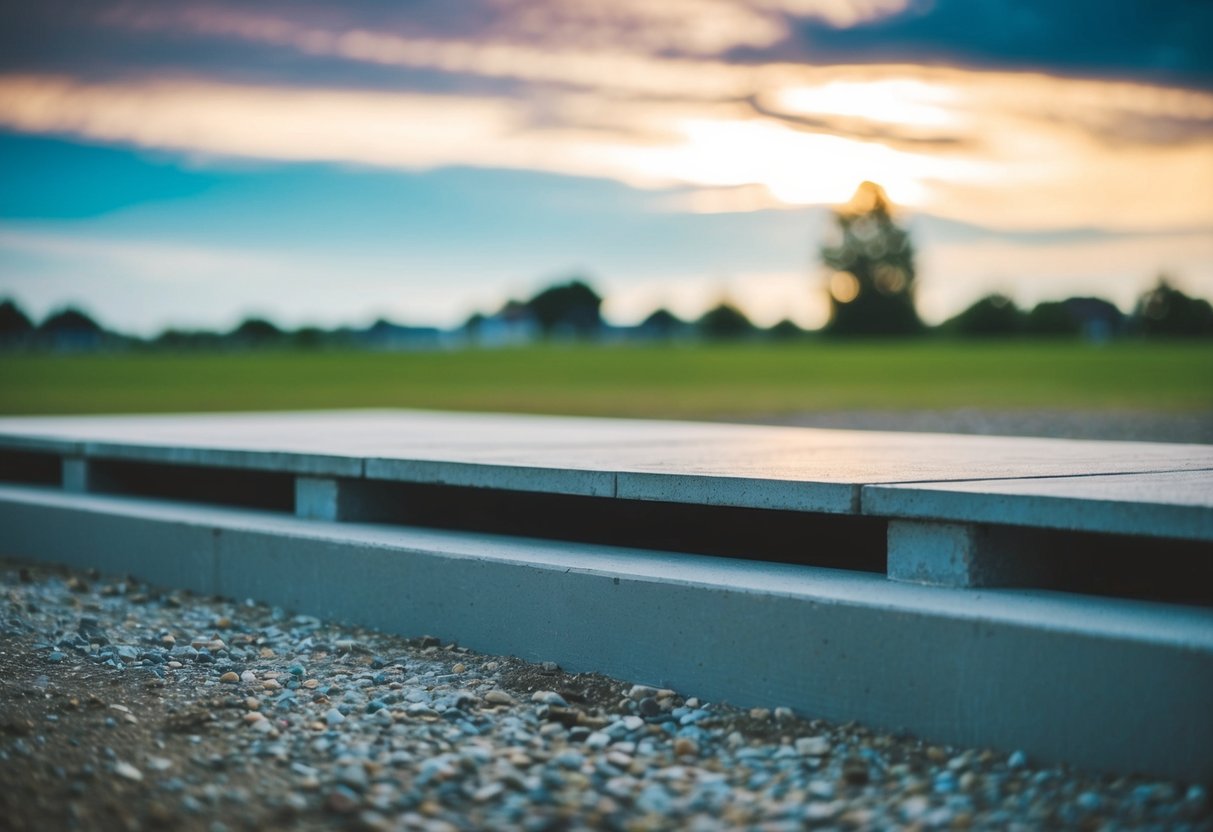
When building a house, the type of foundation you choose is crucial. Slab foundations are a popular choice because they offer a cost-effective solution with a sturdy base. They are typically less expensive than other options like basements or crawl spaces, making them appealing for budget-conscious homeowners.
File name: home slab foundation
Alt-text: home slab foundation
Concrete slab foundations come in various types, including slab-on-grade, T-shaped, and frost-protected options. Each type has unique advantages and disadvantages, tailored to suit different needs and climates. For instance, slab-on-grade is one of the easiest and quickest to install, consisting of a thick concrete slab. It’s a straightforward choice for areas with warmer climates, while frost-protected options can work well in colder regions.
Regarding advantages, slab foundations provide a solid and level surface, reducing the risk of pests and mold. However, they have some downsides to consider, such as the difficulty of accessing plumbing embedded in the concrete. Knowing these aspects can help you decide whether this type of foundation is right for your home.
Types and Components of Slab Foundations
Slab foundations are a common choice for residential and commercial construction, providing building stability and support. Different types of slab foundations cater to various needs and environments. Here are key types and components that make each type unique and effective.
Slab-On-Grade Foundations
Slab-on-grade foundations are a straightforward option, often favored for their ease of construction. This type involves pouring concrete directly on the ground. It’s typically reinforced with steel bars and thickened at the edges to help support and prevent damage.
These foundations rest on a layer of crushed gravel, which improves drainage. They are ideal for mild climates where frost and freezing aren’t major concerns, but they lack insulation against such conditions, making them less suitable for colder regions without modifications.
Frost-Protected Foundations
Frost-protected slab foundations are adapted for cold climates where the ground freezes. They include insulation around the perimeter of the slab. This insulation helps maintain warmer soil temperatures around the foundation, which stops frost heave from damaging the structure.
The design includes a compacted gravel drainage layer, a concrete slab, and foam insulation boards. Reinforcement bars often support the slab to provide added strength. This type of foundation is cost-effective and reliable for structures in regions prone to freezing temperatures.
T-Shaped Slab Foundation
T-shaped slab foundations are another great option for areas with freezing temperatures. They consist of a wider concrete footing, placed below the frost line to prevent movement from frost heave.
The footing is a stable base, with the slab placed on top after the concrete cures. Reinforcement within the concrete further enhances stability and durability. This foundation type is labor-intensive and takes longer to build, but it offers strong support for heavy structures in colder climates.
Floating Slab Foundations
Floating slab foundations are versatile and often used for garages, sheds, and smaller structures. They “float” above the ground and are supported by the slab’s weight, without the need for deep footings.
This type of foundation involves a concrete slab poured over a bed of crushed stone with reinforced edges. Depending on the load requirements, concrete footings may be used to provide extra support. Floating slabs can be a cost-effective choice for buildings with consistent and stable soil conditions. You can read more about different slab foundation types here.
Construction and Insulation Techniques
Building a slab foundation involves several key steps, from preparing the ground to ensuring proper insulation. By understanding each stage, you can achieve better energy efficiency and moisture control in your construction project.
Excavation and Ground Preparation
Preparing the ground is the first step. You need to ensure the surface is level and stable. This often means removing any debris or unstable soil and replacing it with a more stable material like gravel or sand. This step prevents settling and ensures a strong base.
Proper drainage is crucial in this phase. Consider adding drainage pipes around the perimeter to prevent water pooling under the slab. This approach minimizes moisture issues later on.
Pay attention to soil type as well. Some soils may require additional measures to maintain stability and support for the foundation.
Formwork and Reinforcement
Formwork sets the shape of your slab. Use sturdy wood or metal to construct forms that hold the concrete in place while it sets. Ensure they are level and secure, as these forms define the slab’s dimensions.
Reinforcement is essential for the longevity of your slab. Steel rebar or wire mesh can add strength and help distribute loads evenly. This step helps prevent cracking and other structural problems.
Arrange the reinforcement in a grid pattern within the forms. This pattern ensures even support and secure connections between rebar pieces to improve stability.
Concrete Pouring and Curing
Concrete pouring is a critical stage where precision matters. Mix the concrete to the right consistency and pour it into the forms. It’s vital to pour evenly to avoid weak spots.
After pouring, you’ll need to level the surface. Use a screed board to smooth the concrete. This step ensures a flat, level foundation, which is important for the next construction phases.
Curing the concrete is equally important. To retain moisture, cover the slab with a curing compound or plastic sheeting. This process helps the concrete regain its strength over several days or weeks.
Insulation Methods
Insulation improves energy efficiency and comfort. You have several options, like rigid foam boards or spray foam. Each type has distinct benefits and installation methods.
Rigid foam boards are popular for their durability and easy installation. They can be placed under the slab or along the edges. This setup helps reduce heat loss and control moisture.
Spray foam is another choice, known for its excellent sealing properties. It can fill any gaps, providing a more airtight barrier. This option works well for both thermal insulation and moisture control.
Consider climate when choosing insulation. Extending insulation below grade in cooler areas can offer additional protection from cold temperatures.
Foundation Maintenance and Repair
Maintaining a slab foundation is vital for the stability and longevity of your home. Addressing common issues related to cracks, moisture, and pest infestations can prevent long-term damage. Knowing repair techniques is essential to ensure your foundation remains in top condition.
Identifying and Addressing Cracks
Cracks in your foundation are among the most noticeable issues you might encounter. They often appear due to settling, temperature changes, or moisture problems. Small hairline cracks aren’t usually a major concern, but they can worsen.
Inspect your foundation regularly to catch early signs of cracking. Monitoring these changes can help you decide if professional help is needed. If a crack is wider than a quarter-inch, it’s crucial to seek advice from a foundation repair specialist. Concrete slab foundations benefit from timely crack repair, often using epoxy injections or patching compounds.
Waterproofing and Drainage Solutions
Waterproofing is crucial in protecting your foundation from moisture-related damage. Water can seep through the smallest gaps, leading to mold growth and structural weakening. Proper gutter systems and drainage solutions are vital to divert water away from your foundation.
Consider installing French drains or extending downspouts to prevent water from pooling near your home. A sump pump can also effectively remove excess water from your basement or crawl space. Regularly check for leaks or clogs that could compromise your waterproofing system.
Dealing with Pests and Mold
Pests and mold thrive in damp environments, making moisture control a priority. Termites and other pests can cause significant damage to wooden structures near your foundation. Mold growth inside or outside your home indicates moisture issues needing attention.
Regularly inspect your home for signs of pests or mold. Sealing cracks and keeping your foundation dry are effective ways to prevent these problems. Using pest control products and hiring a professional can protect your foundation from infestation.
Foundation Repair Techniques
Depending on the type and severity of foundation issues, different repair techniques are available. One common method involves using piers to stabilize sinking or uneven foundations. Another involves slab jacking, where a grout mixture is injected under the slab to lift it back into place.
You might also opt to install waterproofing materials to prevent future problems. Consulting with a professional ensures you choose the right solution for your needs. Regular maintenance and timely repairs can extend the life of your slab foundation and keep your home safe.
Frequently Asked Questions
Regarding slab foundations, cost, comparison with crawl spaces, and common repair issues are important topics. Understanding these aspects helps homeowners make informed decisions.
What factors influence the cost of a slab foundation?
The cost of a slab foundation varies due to factors such as size, thickness, and materials used. Labor costs in your region also play a role. Using materials like steel piers increases the price. On average, the cost of foundation repair with concrete pressed piers is around $3,000 to $6,000.
How does a slab foundation compare to a crawl space regarding benefits and drawbacks?
A slab foundation offers several benefits. It provides a solid base, reducing the chance of pests and moisture issues compared to crawl spaces. However, crawl spaces offer easy access to utilities like plumbing. Slab foundations can be harder to repair since getting to pipes or issues with the foundation is more challenging.
What are common repair issues with slab foundations?
Cracking is a frequent problem in concrete slab foundations. Cracks may result from ground settling, concrete shrinkage, or structural issues. If not addressed promptly, these cracks can become more serious. For information on common slab foundation issues, see cracking in foundations.
