

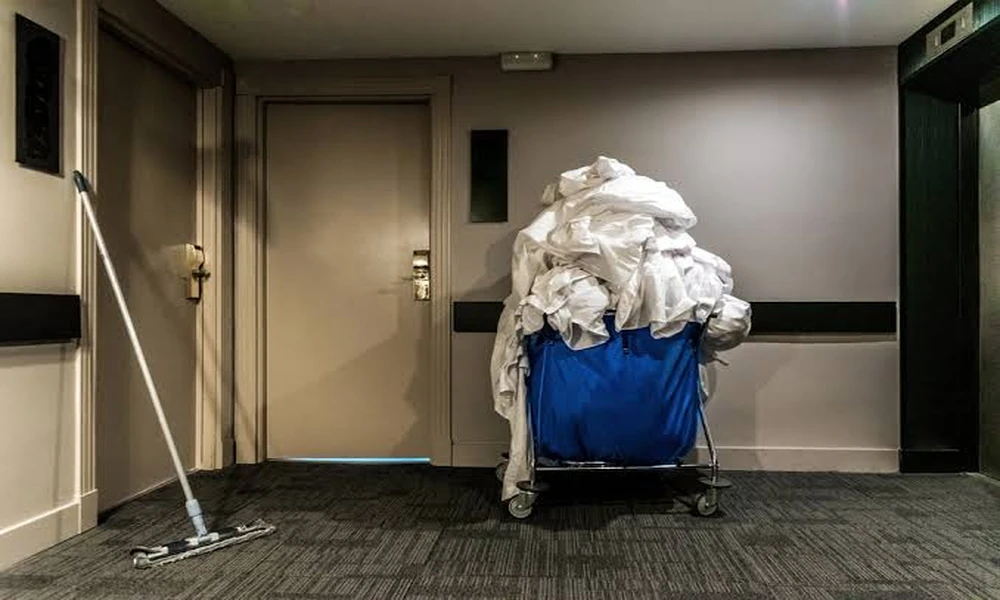
Managing a vacation rental involves much more than preparing a property for incoming guests. Between checkout and the next arrival, hosts must coordinate cleaning, inspect rooms, replenish essential supplies, and ensure that every bed and bathroom is ready for use. Laundry is often one of the most time-sensitive parts of this process because fresh sheets, pillowcases, bath towels, and kitchen cloths are essential to a comfortable stay. An organized turnover laundry system helps property managers maintain consistent standards, reduce preparation delays, and deliver a welcoming experience to every guest.
Why Laundry Turnover Matters in Short-Term Rentals
Unlike traditional residential properties, vacation rentals may experience frequent guest changes throughout the week. During busy travel seasons, a property could require complete linen replacement several times within a short period. Larger homes accommodating families or groups can generate substantial quantities of laundry after each departure, making it difficult to manage washing, drying, folding, and restocking between reservations.
A delayed laundry cycle can affect the entire cleaning schedule. Housekeepers may finish sanitizing bathrooms and preparing bedrooms but still be unable to make the beds because clean linens are unavailable. This can create unnecessary pressure, particularly when guests are scheduled to arrive on the same day that previous visitors leave.
A reliable vacation rental laundry service can help property owners manage these demands by providing access to professionally processed linens and predictable turnaround arrangements. Depending on the provider, services may include collection, washing, drying, folding, delivery, and linen rental. Outsourcing can be especially useful for hosts managing several properties or operating in locations where on-site laundry facilities have limited capacity.
However, an efficient system begins with understanding the property’s actual needs. The number of bedrooms, average guest occupancy, booking frequency, and time between reservations all influence how much laundry must be processed. Evaluating these factors helps hosts develop a practical arrangement that supports smooth turnovers without unnecessary spending.
Designing a Reliable Linen Rotation System
One of the most effective ways to simplify vacation rental laundry is to maintain multiple complete sets of linens for each property. Relying on a single set creates a tight schedule because every item must be washed, dried, and returned before the next guest arrives. Extra inventory provides flexibility when a booking changes unexpectedly, a stain requires additional treatment, or a delivery experiences a delay.
A structured linen rotation system also helps distinguish clean stock from used textiles. Separate storage areas or clearly labeled containers can prevent freshly laundered items from becoming mixed with laundry collected after checkout. Clean linens should remain protected from dust, moisture, cleaning chemicals, and other potential sources of contamination.
Consistency matters when selecting textiles. Sheets and towels that withstand repeated commercial laundering can offer better long-term value than fabrics that quickly lose their softness or appearance. Neutral colors and standardized linen sizes may also simplify replacement purchasing and make it easier to distribute supplies across multiple rental units.
Property managers should coordinate laundry schedules with housekeeping teams and reservation calendars. Sharing expected occupancy, checkout times, and upcoming arrivals helps everyone understand when clean linens are needed. For properties with unpredictable booking patterns, a provider offering flexible collection arrangements may be particularly valuable.
Controlling Costs While Improving Guest Experience
Laundry expenses can increase quickly when washing loads are inefficient, linens go missing, or stained items require premature replacement. Tracking inventory, recording damaged textiles, and monitoring usage per booking can reveal opportunities to control costs. Washing appropriate load sizes and following fabric care instructions also helps preserve textile quality.
Quality checks should form part of the turnover process. Before beds are made and towels are placed in bathrooms, staff should confirm that the textiles are clean, completely dry, free from unpleasant odors, and in suitable condition for guest use. Items with persistent stains or visible damage should be removed from the guest-ready inventory.
Communication with laundry providers is equally important. Clear expectations regarding turnaround times, delivery windows, packaging, and handling of missing items can prevent last-minute complications. Hosts should also establish a backup plan for unexpected demand, particularly during holidays and peak travel periods.
Ultimately, a successful turnover system combines advance planning, sufficient linen inventory, reliable laundry processing, and careful quality control. By coordinating these elements, vacation rental operators can prepare properties more efficiently, reduce operational stress, and maintain the clean, comfortable environment that guests expect from a professionally managed stay.
