

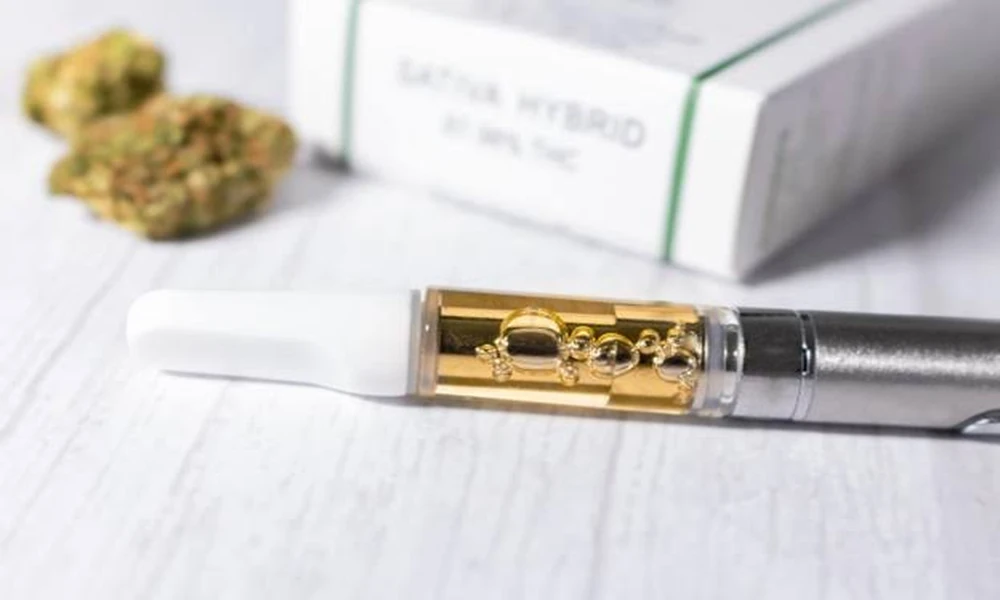
Hardware specs decide whether a 2-gram cart delivers its full oil supply smoothly or struggles halfway through the reservoir. Cartridges recognised as the best 2 gram carts share a measurable set of specifications covering coil material, resistance rating, chamber construction, air channel width, and connection standard. Each spec carries a different weight in daily performance, and larger oil capacity magnifies every hardware decision. A coil that performs adequately in a half-gram format may fall short when asked to heat dense concentrate across hundreds of sessions, which is exactly why each spec deserves its own close check before judging the overall build.
Ceramic coil core
Coil material tops the spec list because every draw passes through the heating element. Porous ceramic absorbs thick oil steadily and releases vapour without scorching the material nearest the surface, which keeps flavour intact deep into the reservoir. Full ceramic builds remove exposed metal from the vapour path entirely. Coil position matters alongside material. An element seated low in the chamber stays in contact with concentrate as the reservoir empties, protecting the final third of oil from dry pulls. Raised coils leave a pocket of unreachable material below the intake ports, wasting the capacity the format is meant to provide.
Resistance rating range
Resistance determines how the coil converts battery power into usable heat. A printed range between 1.2 and 1.6 ohms places dense concentrate in its effective vaporisation band, warm enough for full conversion yet below the point where harshness develops. Ratings outside this band show up quickly in practice.
- Lower resistance pushes heat too fast, carbonising oil around the element within weeks.
- Higher resistance underpowers the draw, leaving material partly vaporised and thinning each pull.
Chamber housing material
Chamber construction shapes how oil behaves across the service life. Glass or metal housings hold their form under repeated warmth, while thin plastic tanks can soften slightly and shift how concentrate settles around the intake ports. A tapered base adds real value in this capacity, guiding remaining oil toward the coil during the final stretch of use. Intake port count belongs to this check as well. Multiple small ports spaced around the coil base draw oil evenly from every side, while a single opening creates one feeding path that thick extract can block during cooler stretches.
Air channel width
Air channel dimensions control how freely vapour travels from the coil to the mouthpiece. A centre post near 2 millimetres in diameter moves vapour without resistance and sheds condensation back into the reservoir between sessions. Narrow tubes trap film that hardens into blockages over repeated use. Wall finish inside the channel counts too. Smooth internal surfaces let stray droplets slide back down rather than clinging midway, keeping the path clear through weeks of daily sessions without any manual clearing.
Connection seals
Connection hardware anchors the whole build. A cleanly machined 510 thread keeps the cart seated firmly on any compatible battery, while loose threading introduces wobble that stresses the base seal over time. Silicone gaskets rated for concentrate contact hold shape through temperature swings, and factory sealed top fill designs remove one leak point entirely.
Hardware specs in a 2-gram cart reward review in order of contact with the oil. Ceramic cores, correct resistance, rigid chambers, wide channels, and firm seals together deliver steady draws from first pull to last, and that consistency signals real engineering behind the specification sheet.
