

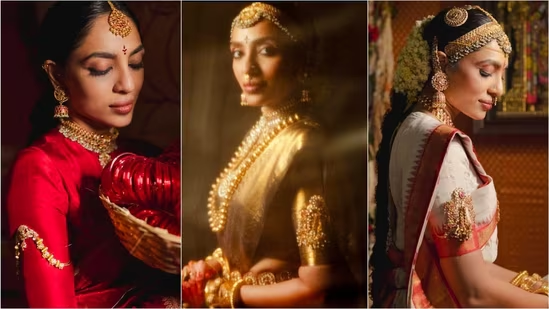
Indian bridal fashion is a beautiful blend of tradition, elegance, and timeless charm. Two iconic elements that truly define a bride’s royal look are the bajuband silver jewelry piece and the stunning dulhan saree. Together, they create a look that reflects culture, beauty, and sophistication. Let’s explore how these two elements enhance bridal elegance.
Bajuband Silver: A Symbol of Royal Femininity
The Cultural Significance of Silver Bajuband
The bajuband, also known as an armlet, has been a part of Indian jewelry traditions for centuries. Brides across Rajasthan, Gujarat, Maharashtra, and South India wear it as a mark of grace and prosperity. While gold bajubands are popular, silver bajuband designs are gaining attention for their subtle shine and antique appeal. Silver represents purity and calmness, making it an ideal choice for brides who want a refined yet traditional look.
Design & Craftsmanship
Silver bajubands come in intricate patterns featuring floral motifs, peacocks, temple-inspired carvings, and even gemstone embellishments. Oxidized silver styles are especially trendy for brides who prefer a vintage touch. The handcrafted detailing enhances the bride’s arms beautifully, especially when paired with sleeveless or short-sleeved blouses.
Many brides inspired by royal looks seen in movies like Padmaavat love styling traditional armlets with heavy sarees to recreate that majestic charm.
Styling Tips for Brides
A silver bajuband pairs beautifully with pastel, red, maroon, and even ivory bridal sarees. Brides opting for temple jewelry themes can coordinate their armlet with matching silver necklaces and earrings. Keep the design balanced if the saree is heavily embroidered, choose a slightly simpler bajuband, and vice versa.
Dulhan Saree: The Heart of Bridal Beauty
The Emotional & Cultural Value
A dulhan saree is not just an outfit; it is a symbol of new beginnings. Across India, brides traditionally wear red, maroon, or pink sarees as these colors represent love, prosperity, and happiness. Whether it’s a North Indian Banarasi silk saree or a South Indian Kanjivaram masterpiece, each dulhan saree tells a story of heritage and craftsmanship.
Popular Dulhan Saree Styles
Banarasi silk sarees are famous for their rich zari work and intricate patterns. Kanjivaram sarees are admired for their heavy gold borders and temple motifs. Brides who prefer lightweight options choose organza or georgette sarees with heavy embroidery to maintain comfort without compromising on elegance.
The saree draping style also plays a vital role in enhancing the bridal appearance. A neatly pleated pallu with heavy embroidery falling gracefully over the shoulder adds grandeur and poise.
Perfect Pairing: Bajuband Silver with Dulhan Saree
When a bride combines a dulhan saree with a beautifully crafted silver bajuband, the result is breathtaking. The saree forms the foundation of the bridal look, while the bajuband adds a royal finishing touch. This combination is ideal for brides who want a mix of tradition and modern elegance.
For minimal brides, a simple silk saree paired with an oxidized silver bajuband creates a sophisticated look. For grand weddings, heavily embroidered sarees with detailed silver armlets offer a majestic vibe.
Final Thoughts
The charm of a bajuband silver ornament and a traditional dulhan saree lies in their timeless appeal. They reflect Indian culture, artistry, and femininity most gracefully. Whether you prefer a classic red bridal saree or a modern pastel shade, adding a silver bajuband can elevate your entire bridal look effortlessly.
Every bride deserves to feel like royalty on her special day – and this elegant combination ensures exactly that.
