

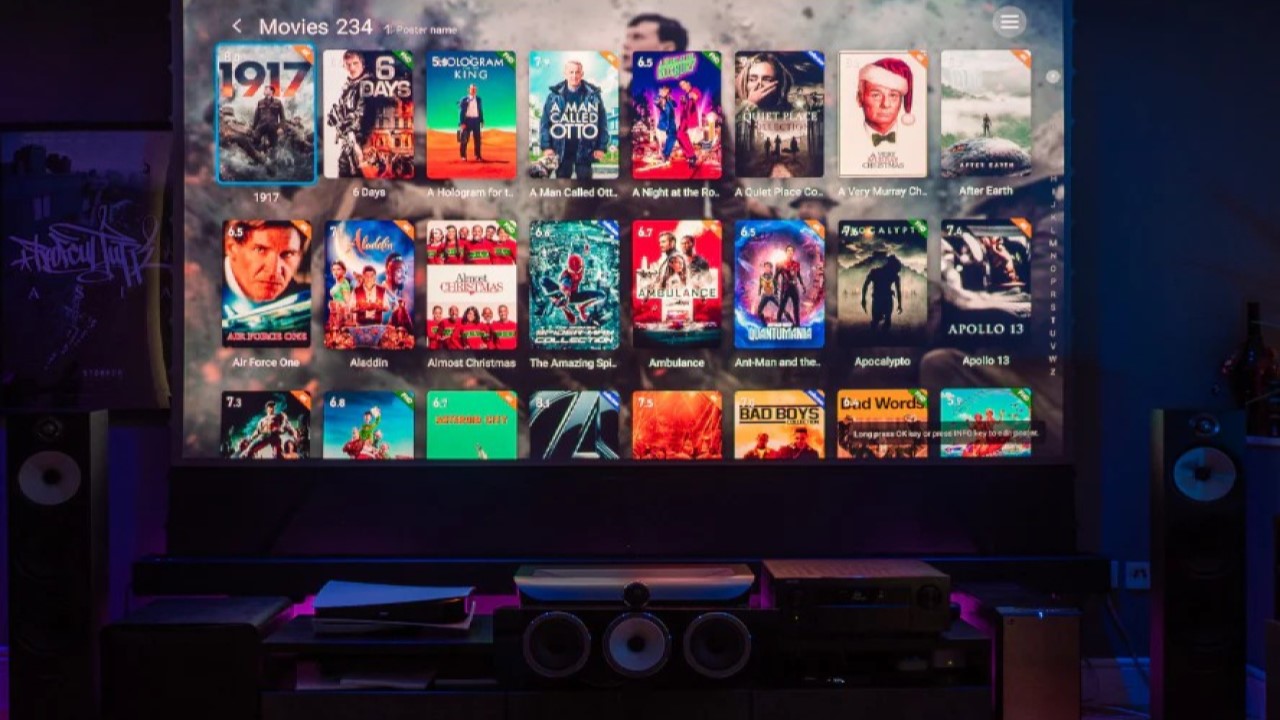
When setting up a home theater or entertainment space, choosing between a projector and a TV is a major decision. While TVs offer high brightness and convenience, projectors provide a more cinematic experience with larger screens. But beyond picture quality and screen size, there’s another critical factor to consider—how these display options affect your eyes.
With more people spending extended hours watching movies, gaming, and working from home, eye health has become a major concern. In this article, we’ll compare how projectors and TVs impact your vision and explore the benefits of using an ultra short throw projector for a more comfortable viewing experience.
How Screens Affect Eye Health
Before diving into the comparison, it’s essential to understand why screens can strain the eyes. The main factors contributing to eye discomfort include:
- Blue Light Exposure: High levels of blue light can lead to digital eye strain, headaches, and difficulty sleeping.
- Brightness Levels: Excessive screen brightness can cause glare, making it harder for the eyes to focus.
- Screen Flicker: Some displays refresh at rates that cause flickering, leading to discomfort over time.
- Viewing Distance and Size: The closer you sit to a screen, the more strain your eyes experience, especially with smaller displays.
Now, let’s compare projectors and TVs based on these factors.
Blue Light Exposure: Are Projectors Easier on the Eyes?
Blue light is a high-energy wavelength that screens emit, and prolonged exposure can disrupt sleep cycles and contribute to digital eye strain. TVs, particularly LED and OLED models, emit significant amounts of blue light because they use direct light sources to display images.
In contrast, projectors work differently. They reflect light off a surface (like a projector screen or wall) rather than emitting direct light. This fundamental difference reduces blue light exposure, making projectors much easier on the eyes. A 44K laser projector with optimized color settings can provide a comfortable viewing experience while minimizing blue light emission.
Winner: Projectors – Because they use reflected light, projectors reduce direct blue light exposure and are gentler on the eyes.
Brightness and Glare: A Major Advantage for Projectors
Brightness is another key factor affecting eye comfort. Most TVs are designed with high-brightness screens to compensate for ambient light, which can lead to glare and discomfort in dark environments. This is particularly noticeable in OLED and LED TVs, which often have peak brightness levels exceeding 1,000 nits.
Projectors, on the other hand, typically offer lower brightness levels that are more natural for the eyes. Since projectors reflect light instead of directly emitting it, they create a softer, more cinema-like experience. Additionally, an ultra short throw projector allows users to enjoy a large display with reduced glare, as it projects the image at a controlled angle.
Winner: Projectors – Their indirect light projection reduces glare, making them more comfortable for extended viewing.
Flicker and Refresh Rates: Which Is More Comfortable?
Flicker refers to the rapid on-off cycling of display panels, which is often invisible to the naked eye but can contribute to headaches and eye fatigue over time. Older LCD and LED TVs had noticeable flickering, though modern models have improved with high refresh rates (120Hz and above).
Projectors generally do not have flicker issues because they use continuous light sources, particularly 4K laser projectors that operate with a stable light output. This results in a smooth image without the subtle, eye-straining flicker that some TVs still produce.
Winner: Projectors – The absence of flickering makes projectors a better choice for reducing long-term eye strain.
Viewing Distance and Screen Size: Bigger Is Better for the Eyes
One of the biggest advantages of projectors over TVs is screen size. Most TVs range from 55 to 85 inches, requiring viewers to sit relatively close to get an immersive experience. Sitting too close to a small screen forces the eyes to work harder, increasing strain.
Projectors, on the other hand, offer much larger screen sizes, often exceeding 100 inches. A larger image allows for a more natural viewing experience, as it fills more of your field of vision without forcing your eyes to focus on a small, concentrated area.
For example, a 4K laser projector can project a crisp image up to 150 inches, allowing users to sit at a comfortable distance while still enjoying high-definition visuals. An ultra short throw projector takes this even further, providing a massive screen size even in small spaces without requiring a long throw distance.
Winner: Projectors – Larger screen sizes create a more natural viewing experience, reducing the need to focus intensely on a small display.
Other Benefits of Using a Projector
Beyond reducing eye strain, projectors offer several additional advantages over TVs:
- More Immersive Experience – A larger screen size enhances the cinematic feel, making movies and games more enjoyable.
- Customizable Screen Size – Unlike TVs, projectors allow users to adjust screen sizes based on room size and seating distance.
- Space-Saving Design – With ceiling or wall-mounted options, projectors take up less space compared to large TVs.
- Lower Power Consumption – Many modern projectors use less electricity than large LED or OLED TVs, making them energy-efficient.
When to Choose a TV Instead
While projectors have clear benefits, TVs still have their place. If you watch a lot of content in bright rooms, a high-brightness OLED or QLED TV may offer better visibility during the day. Additionally, if you prefer a plug-and-play setup without additional screen mounting or projector positioning, a TV provides a simpler alternative.
However, if your goal is to reduce eye strain, create a more immersive experience, and enjoy a cinema-like viewing setup, a projector remains the superior choice.
Final Verdict: Projector or TV for Eye Comfort?
When it comes to eye health, projectors have a clear advantage over TVs. Their use of reflected light, lower blue light exposure, reduced glare, and larger screen sizes make them a better choice for long viewing sessions. Whether you’re watching movies, gaming, or working, a laser projector can provide a comfortable and high-quality visual experience without the drawbacks of direct-emission screens.
If eye comfort is a priority, investing in a high-quality projector is one of the best decisions you can make for your home entertainment setup. With the right screen and lighting conditions, you can enjoy your favorite content without the strain and fatigue that often comes with prolonged TV use.
