

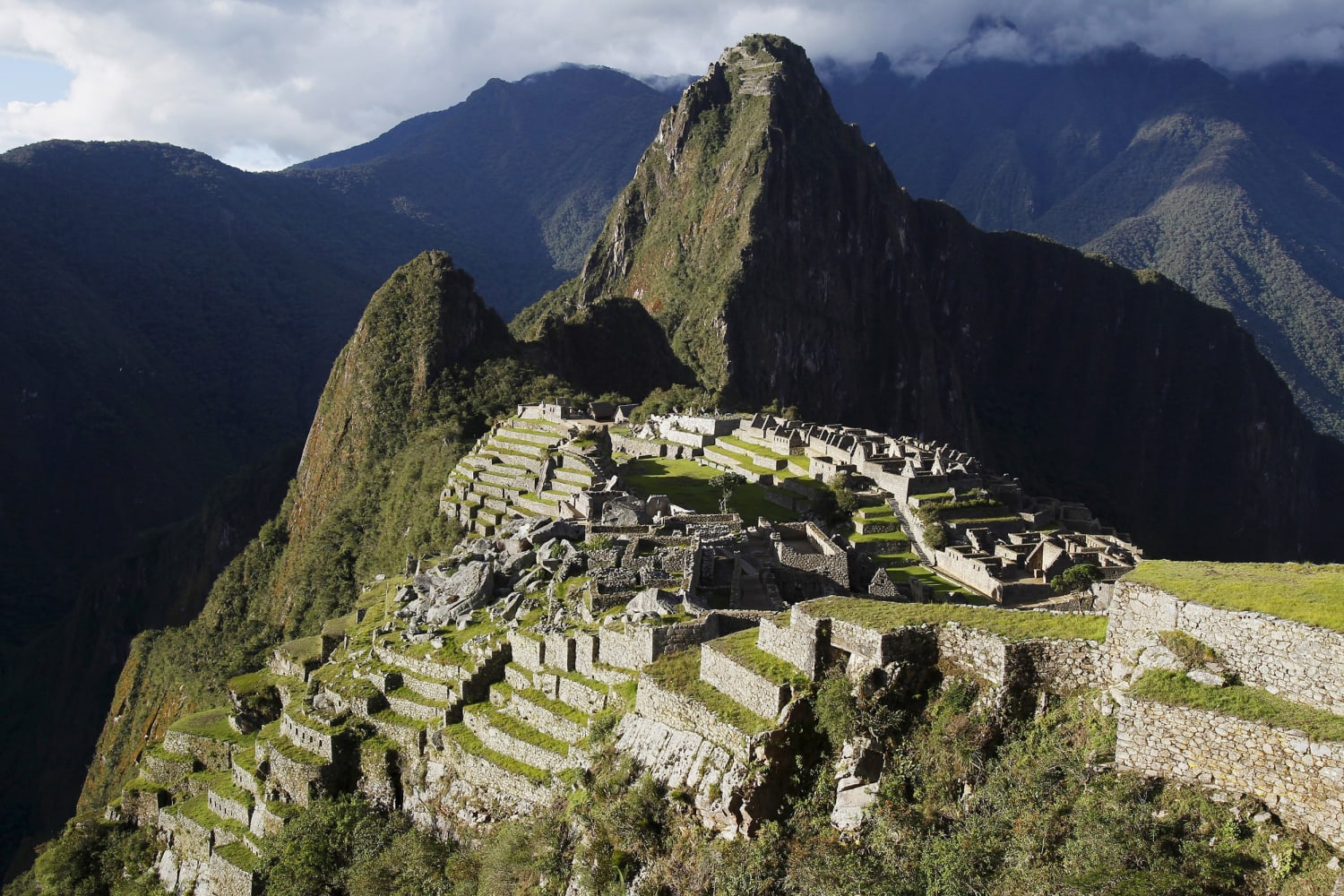
For centuries, uncovering ancient ruins and lost civilizations demanded painstaking excavation and manual labor. Today, drone technology offers archaeologists a transformative new perspective, one that enables them to scan dense jungles, traverse vast deserts and survey remote landscapes with remarkable precision. The Sonoran Desert Institute (SDI), accredited by the Distance Education Accrediting Commission (DEAC), highlights the impact of emerging technologies like drones and advanced imaging systems on traditional fields, such as archaeological research. With aerial platforms equipped with LiDAR, infrared and multispectral sensors, researchers can map ancient cities, locate buried temples and trace the remnants of early human settlements, all without turning a spade.
This fusion of drone technology and archaeological science is not only accelerating discovery; it’s redefining how we explore and interpret the past. By capturing high-resolution aerial data and revealing subsurface features invisibly embedded in the landscape, drones empower researchers to reconstruct ancient environments with unprecedented clarity. From settlement patterns to trade networks and ceremonial architecture, the past is becoming visible in ways that were once unimaginable from ground level.
Why Drones Are Changing the Face of Archaeology
The traditional archaeological process can be slow, expensive and invasive. Ground surveys require teams to physically traverse rough terrain, while excavation can damage fragile structures before they’re even studied. Drones mitigate many of these challenges by offering rapid, high-resolution, non-invasive data collection from the air.
Their compact size and maneuverability allow drones to access remote or dangerous areas, such as mountain ridges, desert basins or rainforest canopies. More importantly, their ability to fly low and hover provides a detail-rich perspective that satellite imagery and manned aircraft can’t match.
By capturing bird’s eye views and topographical data, drones help archaeologists identify surface anomalies, mounds, depressions and geometric patterns that hint at buried architecture or artificial formations. What might appear as an ordinary hillside to the naked eye can be revealed as an ancient road, wall or ceremonial platform through a drone’s lens.
LiDAR: Seeing Through the Earth’s Surface
One of the most transformative tools in aerial archaeology is Light Detection and Ranging (LiDAR). This remote sensing technology uses pulsed laser light to measure distances between the drone and the ground. As the drone flies, LiDAR sensors emit thousands of laser beams per second, recording how long each beam takes to return.
When processed, the data creates a 3D “bare earth” model that strips away vegetation, buildings and debris, allowing archaeologists to see the contours of ancient terrain as it might have appeared centuries ago.
LiDAR has already led to pivotal discoveries. In Central America, LiDAR-equipped drones revealed more than 60,000 previously unknown Mayan structures hidden beneath jungle canopies, an astonishing find that redefined population estimates and urban planning in the region. In Cambodia, LiDAR exposed the sprawling underground infrastructure of Angkor Wat, suggesting a far more complex civilization than previously believed.
Because LiDAR can penetrate tree cover and highlight subtle ground features, it is especially valuable in forested or overgrown landscapes, where traditional survey methods fall short.
Infrared and Multispectral Imaging: Detecting the Undetectable
In addition to LiDAR, drones are now equipped with infrared and multispectral imaging systems that detect variations in temperature, moisture and vegetation health. These technologies can uncover buried ruins by identifying subtle differences in soil composition and plant growth.
For instance, when a stone foundation lies beneath a field, the soil above it may retain less moisture, resulting in distinct vegetation patterns visible only through multispectral cameras. These “crop marks” are invisible to the naked eye but provide archaeologists with clues about the structures beneath.
Enhancing Efficiency in the Field
Drone technology significantly boosts efficiency in archaeological fieldwork. What once took weeks of manual surveying can now be accomplished in a matter of hours. Drones reduce the need for scaffolding, ladders and costly aerial photography, allowing small teams to conduct large-scale surveys with limited resources.
Some drones are even being fitted with Ground-Penetrating Radar (GPR), further extending their ability to “see” beneath the surface. While GPR is more commonly used on the ground, its integration with drones opens possibilities for broader surveys in rugged or hazardous areas.
Educational Impact and Public Engagement
Drones are not just improving research; they’re also enhancing how archaeological findings are communicated to the public. Drone footage offers dynamic, cinematic views of ancient cities, temples and burial sites that captivate audiences and spark curiosity about the past.
Educational institutions and museums use drone-generated models and flyover videos to create virtual tours and augmented reality experiences, bringing history to life for students and visitors around the world. These digital tools make archaeology more accessible and engaging, breaking down barriers to participation in historical discovery.
Drone training is also becoming part of archaeology degree programs and field schools, equipping the next generation of researchers with essential technical skills that complement their historical and anthropological expertise.
Challenges and Ethical Considerations
Despite their advantages, drone use in archaeology must navigate several challenges. Airspace regulations, especially near protected or politically sensitive sites, can limit drone operations. Archaeologists must often obtain permits, follow flight restrictions and collaborate with local authorities and heritage agencies.
There are also ethical concerns. Some archaeologists worry that the ease of drone surveys could lead to premature or unregulated excavations, damaging sites before they’re properly assessed. Responsible drone use must always respect cultural sensitivities and prioritize preservation over exploitation.
Storing and interpreting vast amounts of drone-generated data requires significant processing power and technical expertise. Institutions must invest in digital infrastructure and training to fully utilize these tools.
Drone technology is changing how we study ancient civilizations, offering unprecedented access to hidden structures, forgotten cities and buried stories. With tools like LiDAR, thermal imaging and high-resolution mapping, drones are empowering archaeologists to explore the past with precision, efficiency and respect for the integrity of historical sites.
The Sonoran Desert Institute believes that interdisciplinary expertise bridging traditional craftsmanship, emerging technologies and real-world application is essential for today’s forward-thinking professionals. By exploring how drones contribute to scientific discovery and cultural heritage preservation, students gain the insight and adaptability needed to lead across a range of dynamic and evolving industries.
From uncovering lost civilizations to safeguarding them for future generations, drone technology is not only reshaping how we understand history; it’s transforming the way we protect it.